Think about the last time you wanted a product recommendation. A few years ago, you might have searched Google, read a few reviews, or asked a friend. Today, there’s a good chance you, or your customers, might simply ask ChatGPT.
“What’s the best running shoe for beginners?” “Which retailers have the best return policy for electronics?” “Compare [Brand A] and [Brand B] for value for money.”
These are the kinds of questions people are now asking AI assistants directly and the answers they get back can directly influence which brands they consider, and which they don’t.
For retail marketing and PR teams, this raises an important question: if customers are increasingly getting recommendations from AI tools instead of traditional search results, do you know what those tools are saying about your brand?
A new kind of “search result”
For the last two decades, a huge amount of marketing effort has gone into understanding how brands appear in search engine results, rankings, reviews, star ratings, and so on. It’s a familiar landscape, and most retail teams have at least some visibility into it.
AI search tools like ChatGPT work differently. Instead of returning a list of links for a person to click through, they generate a direct answer, often naming specific brands, comparing products, or making recommendations based on the information they’ve been trained on or can access.
This means that, in some cases, a customer’s entire research process might happen in a single conversation with an AI assistant, and your brand might be mentioned, recommended, compared, or left out entirely, without you ever knowing it happened.
Why this matters for retail brands
This shift matters for a few reasons:
-
Recommendations can happen without a “search” in the traditional sense. A customer might ask an AI assistant for advice on what to buy and receive a confident answer, naming specific brands, without ever visiting a search engine or comparison site.
-
AI tools can shape first impressions. If someone asks “is [Your Brand] any good?” and receives a vague, outdated, or inaccurate response, that could shape their perception before they’ve even visited your website or store.
-
Competitor comparisons happen automatically. Customers often ask AI tools to compare brands directly “Is [Your Brand] better than [Your Competitor’s Brand] for X?” Knowing how these comparisons typically play out can be valuable, even if you can’t directly control the answer.
What can you actually do about it?
It’s important to be realistic: brands can’t directly edit or control what AI tools say about them in the same way they might respond to a review or a social media comment. But that doesn’t mean this is something to ignore, quite the opposite.
The first step is simply awareness. Understanding how your brand is currently described, recommended, or compared by AI tools gives your marketing and PR teams valuable context.
For example:
-
Is your brand being mentioned at all in relevant product categories?
-
When it is mentioned, is the information accurate and up to date?
-
How does it compare to the way competitors are being described?
This kind of insight can inform broader brand and content strategy. If, for example, your brand consistently isn’t mentioned in a category where you’d expect it to be, that might prompt a conversation about visibility, content, or positioning more broadly.
A complementary piece of the picture
It’s worth being clear: AI search monitoring isn’t a replacement for traditional social listening, search visibility, or reputation management, it’s an additional piece of the puzzle. Used alongside insight from social platforms and traditional search, it helps build a fuller picture of how your brand is being discovered, discussed, and recommended across the channels customers are actually using.
For PR and marketing teams, this means fewer surprises. If a particular narrative about your brand is starting to surface, whether through social media, news coverage, or AI-generated responses, having visibility across all of these sources at once makes it much easier to spot patterns early, rather than discovering them piecemeal.
A practical way to think about it
A useful way to frame this for your team is simple:
If a customer asked an AI assistant about your brand right now, would you be comfortable with the answer they’d get?
For most brands, the honest answer is “I don’t know”, simply because nobody has been monitoring this until very recently. That’s understandable; it’s a genuinely new area, and most retail marketing teams haven’t had the tools or time to look into it.
But as more customers turn to AI tools as part of their everyday research and decision-making, “I don’t know” is quickly becoming a less comfortable answer to give.
The bottom line
Customer research habits are changing, and AI tools are becoming part of how people discover, compare, and choose between retail brands. For marketing and PR teams, the goal isn’t to panic about something new and uncontrollable. It’s simply to start paying attention, in the same way the industry has learned to pay attention to social media, reviews, and search rankings over the years.
Brands that understand how they’re currently being represented in this space will be far better placed to respond, adapt, and improve their positioning over time, rather than being caught off guard.
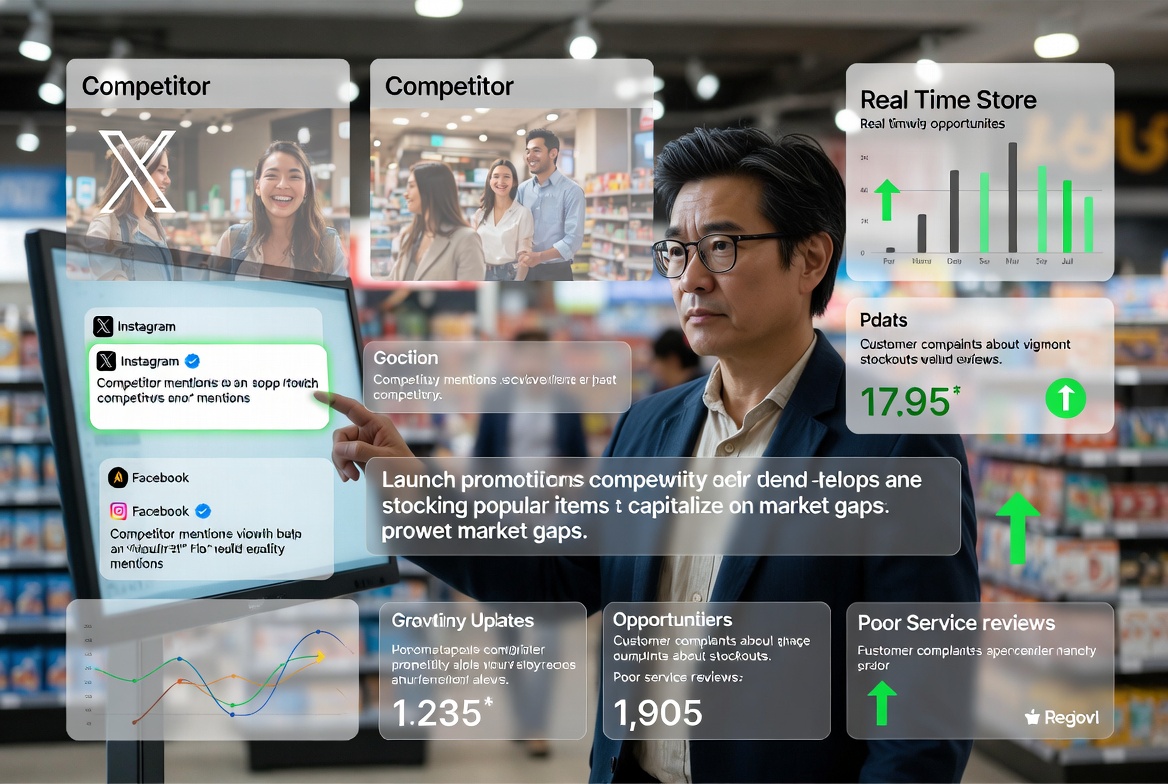
PressArea’s Pulse Social Listening tool helps retail brands monitor conversations across LinkedIn, X, Facebook, TikTok, Reddit, Instagram, Google News, Google Search and ChatGPT all from one simple dashboard. Get in touch pulse@pressarea.com to see how it works for your business.